
Why design tokens matter today?
Design tokens are more than a trend they’re a response to the challenges of modern product development. Today, brands operate across platforms, devices, and regions. With that complexity, it’s not sustainable to manage design decisions through traditional specs like PDF style guides or static Figma files. Tokens give us a better way.
Traditional Specs vs Design Tokens
How tokens solve real-world problems?
The future of tokens

Core Concepts & Language
Design tokens are named design values, like colours, fonts, spacing, stored in a central system. They're reusable, portable, and platform-agnostic. Instead of hardcoding values, you use names like colour.primary or spacing.medium.
A simple token system might look like this:
Atomic Foundations
Mapping to the Ecosystem
Separation of Concerns
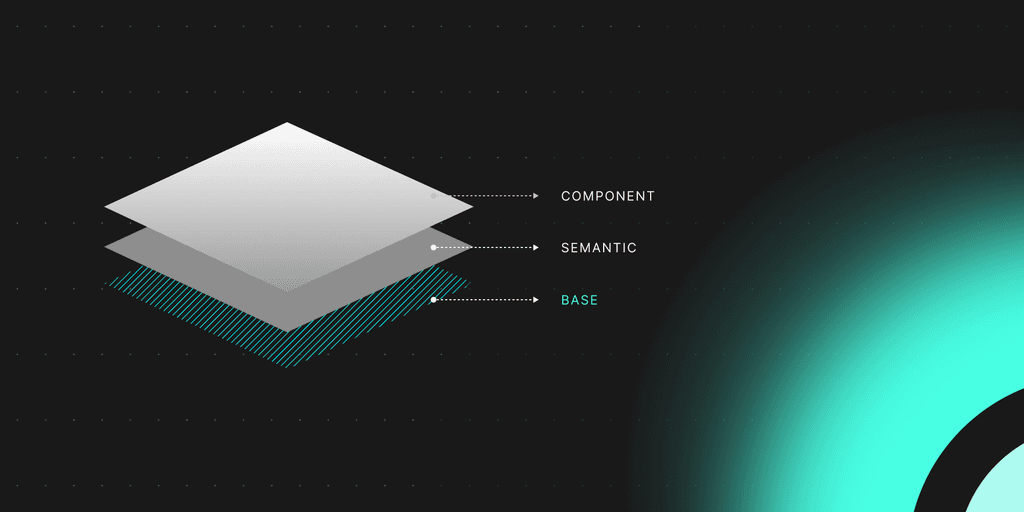
Token System Architecture
Tokens are typically structured into 3 levels:
Base tokens: Raw values like #000000, 16px,
Semantic tokens: Contextual names like color.text.primary
Component tokens: UI-specific use like button.padding.medium This architecture helps scale and adapt your system.
Distribution Methods
Preparing for Adoption
Template

Why Naming Matters?
Good naming helps everyone understand what a token means. Clear names avoid confusion, support collaboration, and make it easier to maintain your system over time. Poor naming slows teams down and breaks trust in your design system.
Common Pitfalls
Cross-Discipline Friendly
Naming Frameworks
Naming by Platform

Tools & Ecosystem
There are several tools to help manage design tokens. Some popular ones:
Figma Variables
Tokens Studio
Style Dictionary
Note: Each has pros and cons depending on your team and stack.
Accessibility in Themes
Advanced Theming


Theming Logic
Themes let you swap out token values while keeping the same structure. One token name, different outcomes: dark/light mode, brand variants, etc.
Accessibility in Themes
Advanced Theming
Tokens as a Product
Treat tokens like software. They need roadmaps, governance, release cycles, and feedback loops. This mindset helps them scale responsibly.
Distribution Methods
Preparing for Adoption
Template
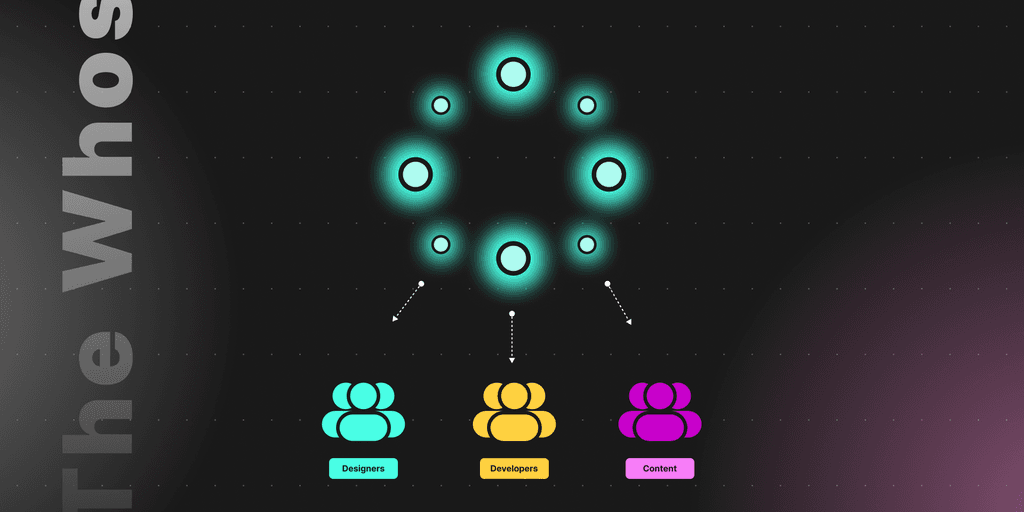
Understanding Users
Designers, developers, and product managers all use tokens differently. Get their feedback, learn their pain points, and support their workflows.
Lifecycle Stages
Governance Models
Versioning & Branching
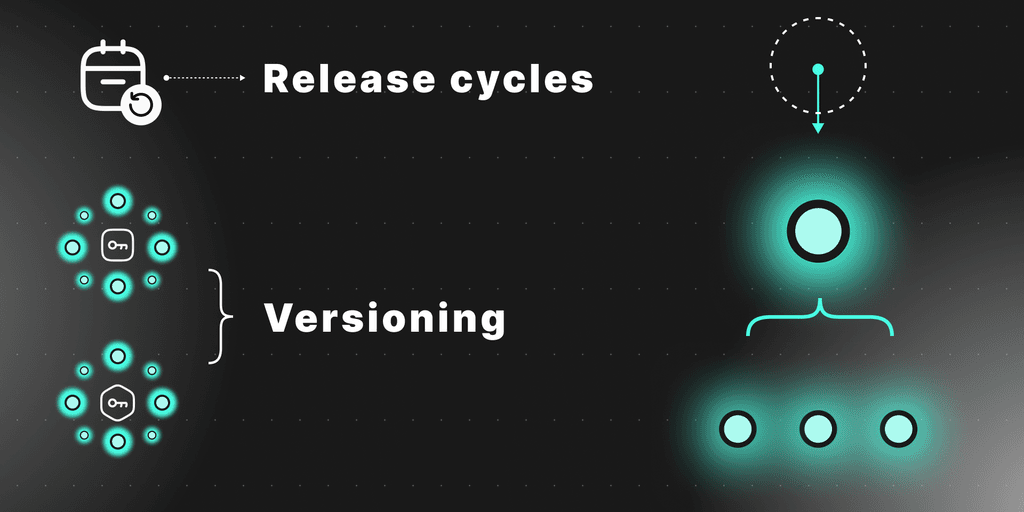
Maintenance, Governance & Evolution
Designers, developers, and product managers all use tokens differently. Get their feedback, learn their pain points, and support their workflows.
Lifecycle Stages
Governance Models
Versioning & Branching

Advanced Topics & Future proofing
Enterprise Use Cases:
M&A
Subbrands
Complex teams
Planning your design system to handle new needs and changes over time.
Global & Content Scaling
AI Integration
Capstone - Plan your organization’s design token roadmap